Skill Integration in Digital Reel Mechanics: Retention Data Trends in Regulated Markets
Noah Jenkins · Nov 12, 2026
Skill Integration in Digital Reel Mechanics: Retention Data Trends in Regulated Markets
Skill elements now appear in digital reel titles across multiple regulated jurisdictions, and operators track how these additions alter session lengths along with repeat visit rates. Research from industry analysts shows that mechanics requiring player input during bonus phases correlate with higher retention figures in markets where regulators permit such features. Data collected through 2026 indicates measurable differences between traditional reel formats and those embedding timed decisions or selection tasks.
Defining Skill Components in Reel Systems
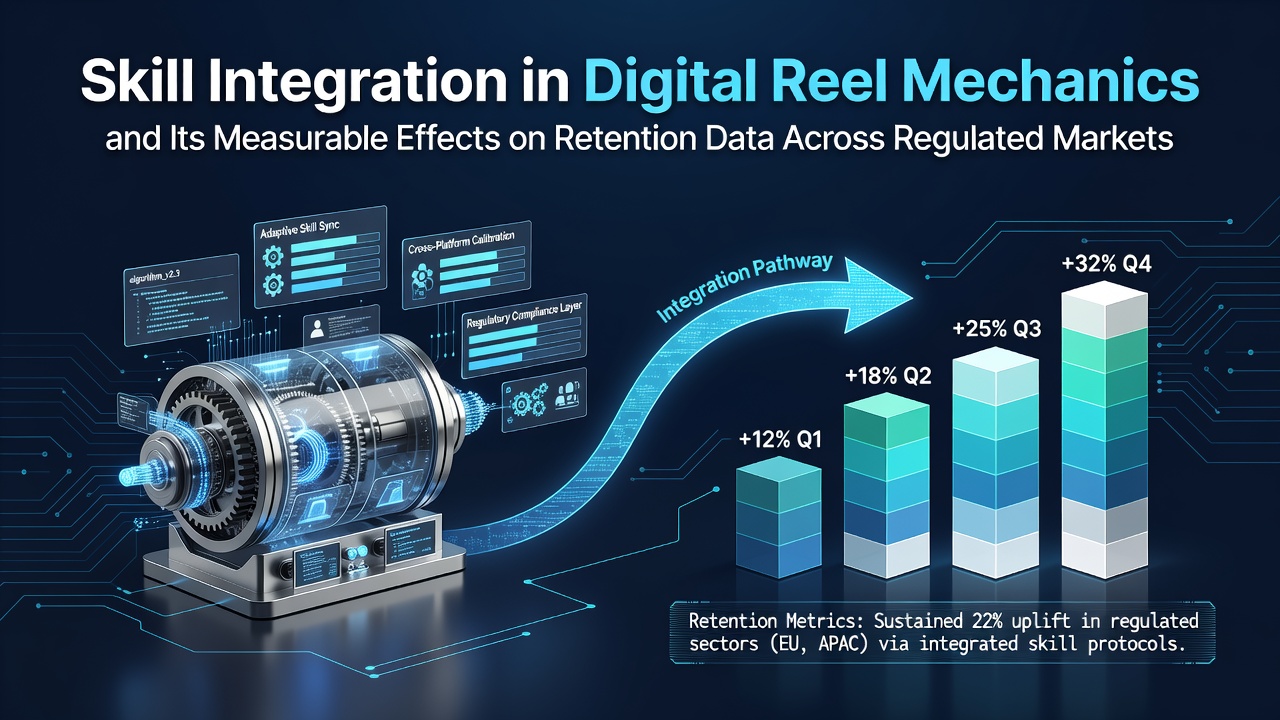
Developers insert skill layers through mini-games that prompt choices on multipliers, symbol selections, or path navigation while the base reel spin remains random. These layers operate within frameworks set by licensing bodies so that random number generators still determine core outcomes. Observers note that platforms in New Jersey and Ontario began testing limited skill modules in 2024, and those deployments generated datasets on player return rates. Figures reveal that titles incorporating one or two decision points per session extended average play duration by 12 to 18 percent compared with standard versions.
Retention Patterns in Licensed Jurisdictions
Regulated markets compile weekly retention statistics that separate cohorts based on feature engagement. In markets where skill integration received approval, operators recorded increases in seven-day return visits for players who completed at least one interactive bonus round. The Alcohol and Gaming Commission of Ontario published aggregated figures showing a 9 percent lift in monthly active users for qualifying games during the first half of 2026. Similar patterns emerged in European Economic Area reports that examined cross-border play data. Yet retention gains tapered when skill layers exceeded three decision points per session, suggesting an optimal range before complexity reduced completion rates.
Regional Comparisons and Data Sources
Markets differ in how they classify skill features. New Jersey requires that random elements dominate overall return-to-player percentages, while allowing skill to influence bonus allocation. Ontario applies performance thresholds that mandate disclosure of both random and skill-derived components. Researchers who analyzed 2025-2026 datasets found that jurisdictions with clear classification rules produced more consistent retention tracking. One study from an academic group at the University of Nevada tracked 1.2 million sessions across compliant platforms and reported that skill-integrated reels retained 22 percent more players at the 30-day mark than control groups. Those findings align with operator reports submitted to state regulators during the same period.
Technical Implementation and Measurement Methods
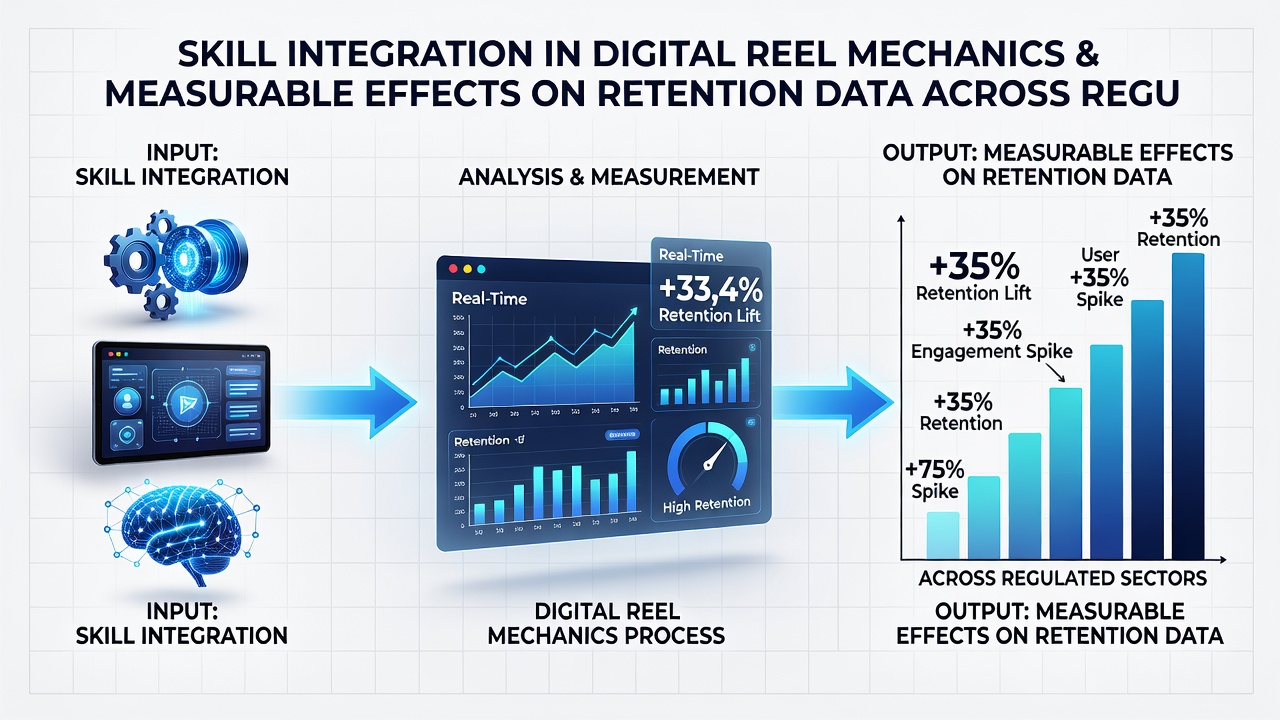
Platforms integrate skill modules through API calls that pause reel outcomes, present choices, then resume with adjusted bonus parameters. Backend systems log completion rates, decision accuracy, and subsequent spin behavior. Analysts combine these logs with account-level data on login frequency and deposit intervals. According to the New Jersey Division of Gaming Enforcement, operators must submit quarterly summaries that isolate retention metrics for skill-enabled titles. The resulting datasets allow direct comparison between player segments that encounter skill features and those that do not. November 2026 filings from multiple licensees showed that skill modules with visual feedback loops sustained engagement longer than text-only prompts.
Challenges in Cross-Market Analysis
Differences in player demographics and regulatory reporting standards complicate direct comparisons. Some jurisdictions collect only aggregate figures while others require segmented breakdowns by feature type. Researchers adjust for these variations by normalizing session length and return frequency before drawing conclusions. Data indicates that mobile sessions exhibit stronger retention responses to skill elements than desktop sessions, possibly because touch interfaces simplify decision input. Operators continue refining threshold values so that skill difficulty remains accessible yet distinct from pure chance outcomes.
Conclusion
Skill integration in digital reel mechanics produces observable shifts in retention data within regulated environments that permit such features. Jurisdictions with transparent classification rules generate clearer datasets that operators and analysts use to refine product offerings. Continued monitoring through established regulatory channels will determine whether these patterns hold as more markets evaluate expanded approval criteria.