Payment System Response Times Shape Player Retention Patterns in Live Multiplayer Titles
Xander Schmitt · Oct 1, 2026
Payment System Response Times Shape Player Retention Patterns in Live Multiplayer Titles
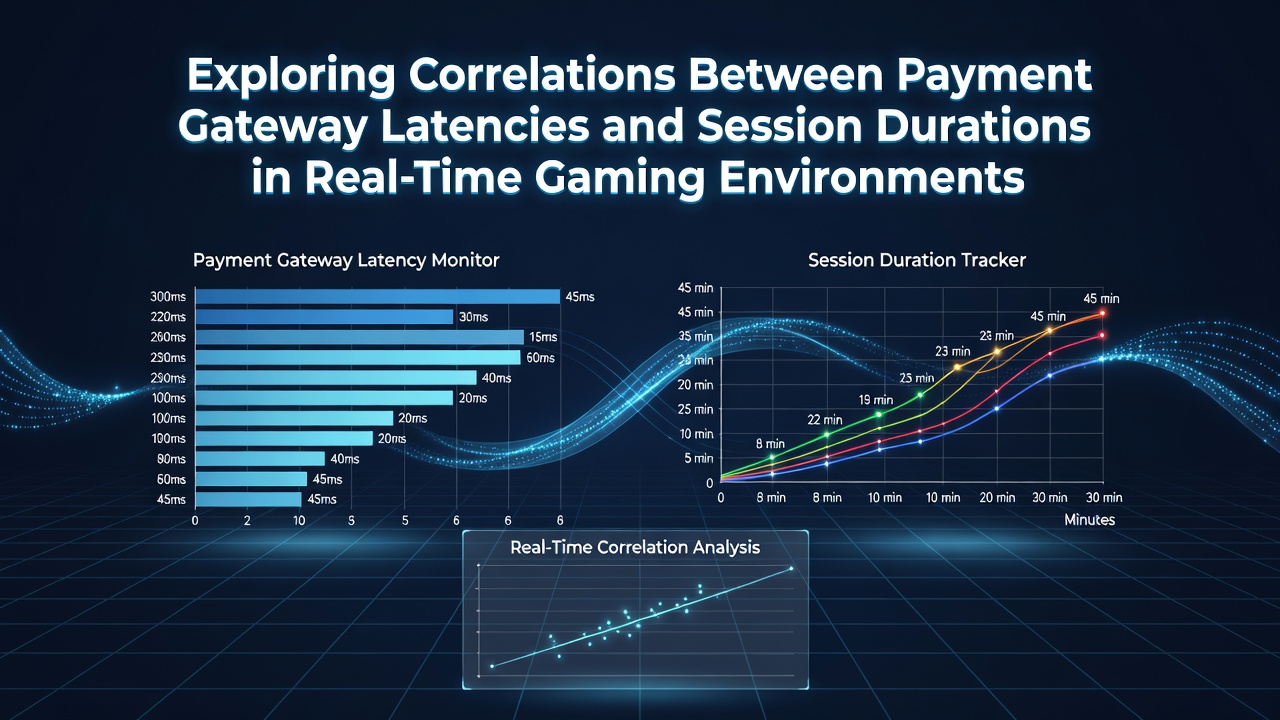
Payment gateway performance has drawn increasing attention from developers and platform operators who track how transaction delays interact with player behavior in fast-paced environments. Data collected across major titles during 2025 and into October 2026 reveals measurable patterns between processing speeds and the length of individual play sessions. Researchers tracking thousands of accounts note that slower authorization times often coincide with earlier exits, whereas streamlined payments align with extended engagement periods.
Measurement Approaches in Live Environments
Teams monitoring real-time games capture latency at multiple points in the payment flow, from initial request through confirmation and inventory update. Studies conducted by academic groups in North America and Europe use timestamp logs from both client and server sides to calculate end-to-end delays. These figures then compare against session duration records that log login, active play, and logout events. Analysts apply statistical models to isolate payment-related variables from other factors such as network congestion or match-making queues.
Observed Patterns Across Platforms
Reports from large-scale deployments indicate that sessions involving in-game purchases with sub-second gateway responses tend to continue longer than those experiencing multi-second waits. One dataset compiled by industry research bodies showed average session extensions of several minutes when payment confirmations arrived promptly. Conversely, delays exceeding four seconds correlated with higher rates of immediate logout after the transaction attempt. Observers tracking mobile and console ecosystems separately found similar directional trends, although absolute values differed by hardware and region.
Regional Data and Infrastructure Factors
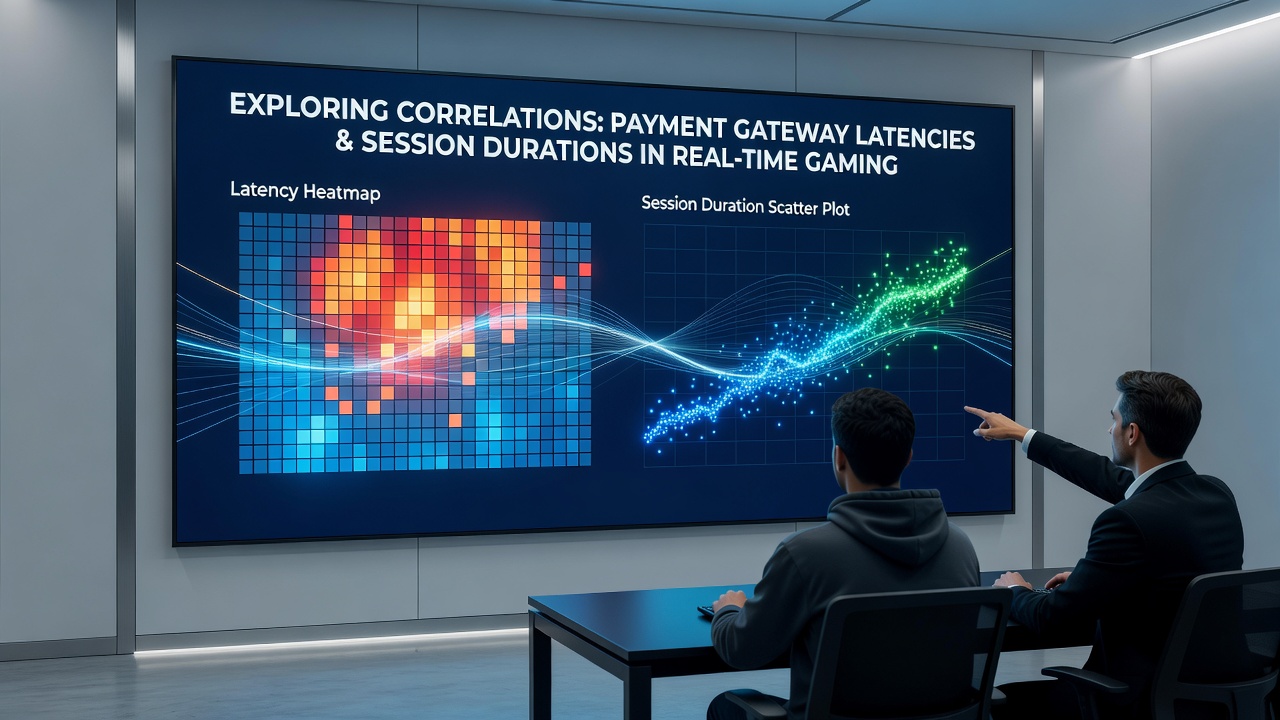
Geographic differences appear in the strength of these correlations. Infrastructure reports from Canadian regulatory reviews and Australian digital economy studies highlight how regional payment processors influence outcomes. In markets with concentrated high-speed networks, the link between latency spikes and shortened sessions registers more sharply. Data shared by the Entertainment Software Association further connects payment infrastructure quality to retention metrics across North American servers.
Technical Contributors to Latency
Multiple elements within payment pipelines contribute to observed delays. Authentication handshakes, fraud screening routines, and currency conversion steps each add measurable time. Developers implementing asynchronous processing or regional edge nodes report reductions in these intervals. Case examples from European operators demonstrate that localized gateways cut average response times by 30 to 40 percent compared with centralized routing, producing corresponding shifts in session length distributions.
Player Behavior and Exit Triggers
Telemetry analysis shows players frequently abandon sessions shortly after encountering payment friction. Those who initiate purchases during active matches prove especially sensitive to confirmation delays. Research teams examining log files note spikes in exit events within thirty seconds of a stalled transaction. Additional studies from university labs in Asia-Pacific regions reinforce that visible loading indicators during payment processing can mitigate some negative effects, though they do not eliminate the underlying correlation with reduced playtime.
Conclusion
Evidence gathered from operational environments continues to map connections between payment gateway latencies and session durations in real-time gaming. Platform operators reviewing October 2026 metrics alongside earlier benchmarks observe consistent directional relationships across genres and regions. Continued monitoring and infrastructure adjustments remain central to understanding these dynamics as player bases and transaction volumes expand.