Digital Payment Advances Broaden Live Dealer Table Participation Worldwide
Jakob Butler · Oct 15, 2026
Digital Payment Advances Broaden Live Dealer Table Participation Worldwide
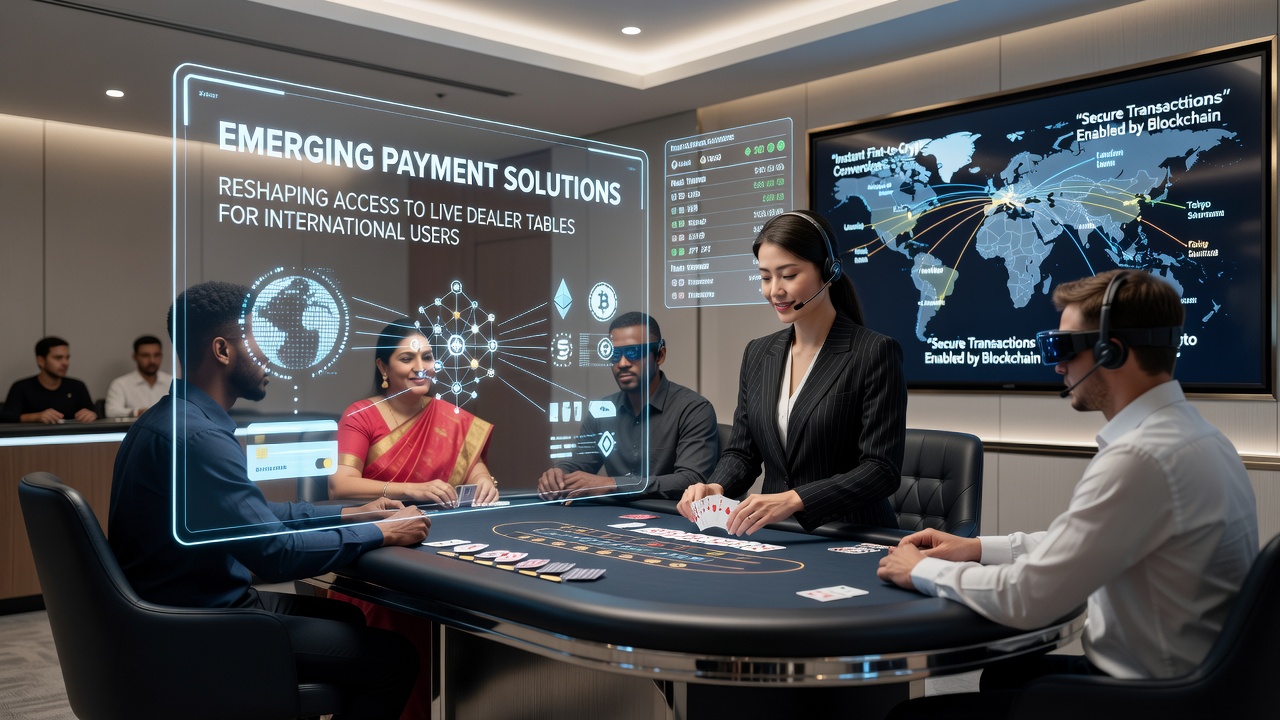
Payment technologies continue to evolve and they connect users across borders to live dealer tables in ways that traditional banking systems could not support before, while platforms integrate options like instant bank transfers and digital wallets that handle multiple currencies without the delays once common in cross-border transactions.
Research from industry analysts shows adoption rates climbing steadily through 2026 because these solutions reduce processing times from days down to seconds and they lower fees that previously discouraged smaller deposits from regions with limited banking infrastructure.
Cross-Border Transaction Barriers Fall
International users often faced blocks when credit cards or wire services flagged gambling-related activity yet emerging methods bypass many of those hurdles through decentralized networks and localized systems such as real-time payment rails in Asia and Latin America that process funds directly between player accounts and operator platforms.
Data indicates that platforms offering these alternatives saw participation from previously underserved markets increase because users in countries with strict capital controls or high foreign transaction costs gained reliable access without needing intermediaries that add layers of expense and scrutiny.
Speed and Accessibility Drive User Growth
Live dealer tables require quick funding to keep sessions flowing and new solutions deliver that through features like one-click authorizations and automatic currency conversion that maintain accuracy even during volatile exchange periods.
Those who've studied player behavior note that deposit completion rates rise when friction drops and international audiences respond particularly well because they avoid the multi-day waits associated with legacy methods while operators maintain compliance records through built-in verification tools.
One operator group reported that after rolling out support for regional digital currencies and e-wallet networks their live table traffic from outside domestic markets grew substantially by October 2026 as players from varied time zones joined tables at times that suited them without payment timing constraints.
Regulatory Landscapes Shape Payment Integration
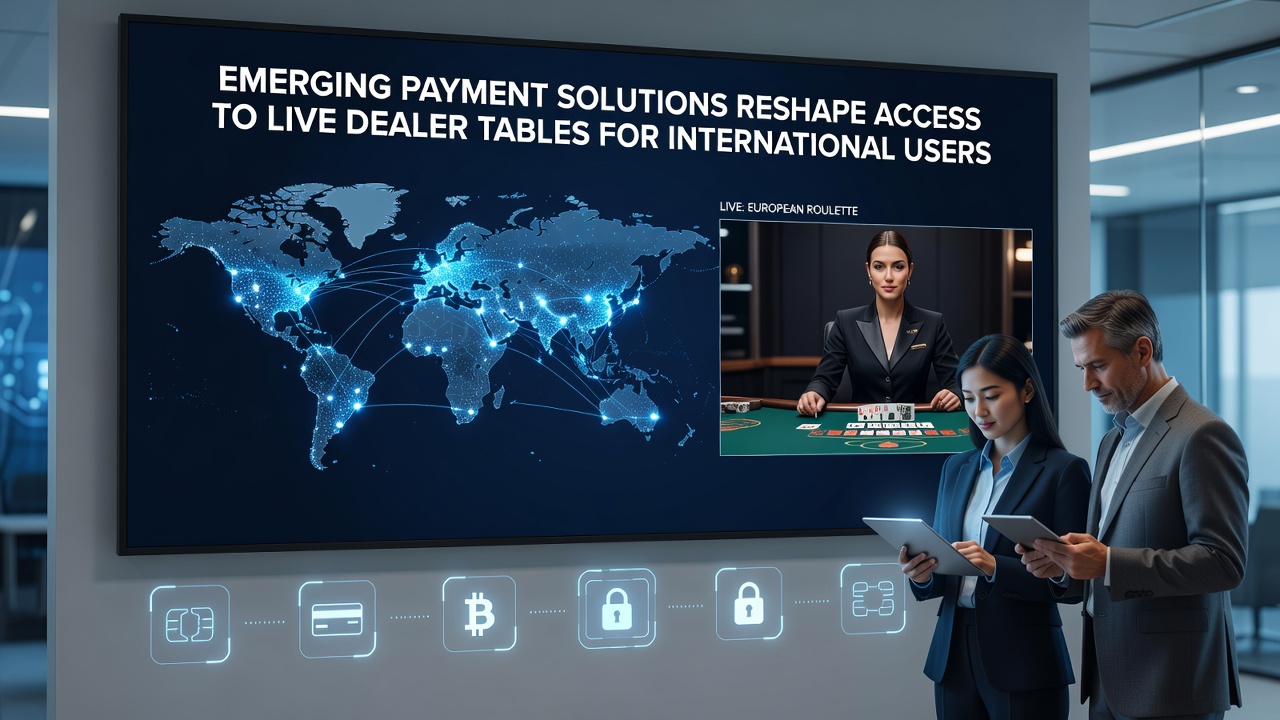
Different jurisdictions apply distinct rules to gambling transactions and payment providers adapt by embedding geolocation checks along with transaction monitoring that aligns with local requirements while still allowing seamless movement of funds for verified users.
According to reports from the Financial Consumer Agency of Canada payment innovation in regulated sectors has accelerated compliance capabilities because automated systems flag anomalies faster than manual reviews ever could and operators benefit from reduced chargeback volumes as a result.
Yet regional differences persist and platforms must maintain separate payment pathways for users in areas where certain methods remain restricted or taxed differently which adds complexity yet also encourages diversification of options to retain global audiences.
Technology Partnerships Expand Options
Operators increasingly collaborate with fintech firms to embed solutions such as blockchain-based transfers and mobile money services that originated outside gambling but now serve table game players who value privacy features and lower costs for frequent smaller bets.
Studies from academic institutions reveal that these integrations correlate with higher retention among international cohorts because the underlying technology supports 24-hour availability without the banking hour limitations that once interrupted play for users in distant time zones.
What's interesting is how security protocols have advanced in tandem with these tools so that encryption and multi-factor authentication protect transactions while still feeling invisible to the end user during live sessions.
Market Data Reflects Shifting Patterns
Figures from European Gaming and Betting Association analyses highlight growth in live dealer segments tied to payment modernization because access barriers lowered and operators captured audiences that previously relied on less convenient methods or avoided participation altogether.
By October 2026 projections suggested continued expansion as more regions adopted open banking standards that facilitate direct account-to-account moves and these changes align with broader trends in digital finance that extend beyond gambling into everyday commerce.
Conclusion
Emerging payment solutions continue reshaping how international users reach live dealer tables by addressing speed, cost, and regulatory compatibility in integrated ways that older systems could not achieve and the result appears in expanded participation metrics across multiple markets.
Platforms that prioritize these adaptations position themselves to serve a wider audience while maintaining operational standards that regulators and players both expect in an evolving environment.