Biometric Feedback Loops Transform Live Table Wager Adjustments in Emerging Markets
Xander Butler · Sep 17, 2026
Biometric Feedback Loops Transform Live Table Wager Adjustments in Emerging Markets
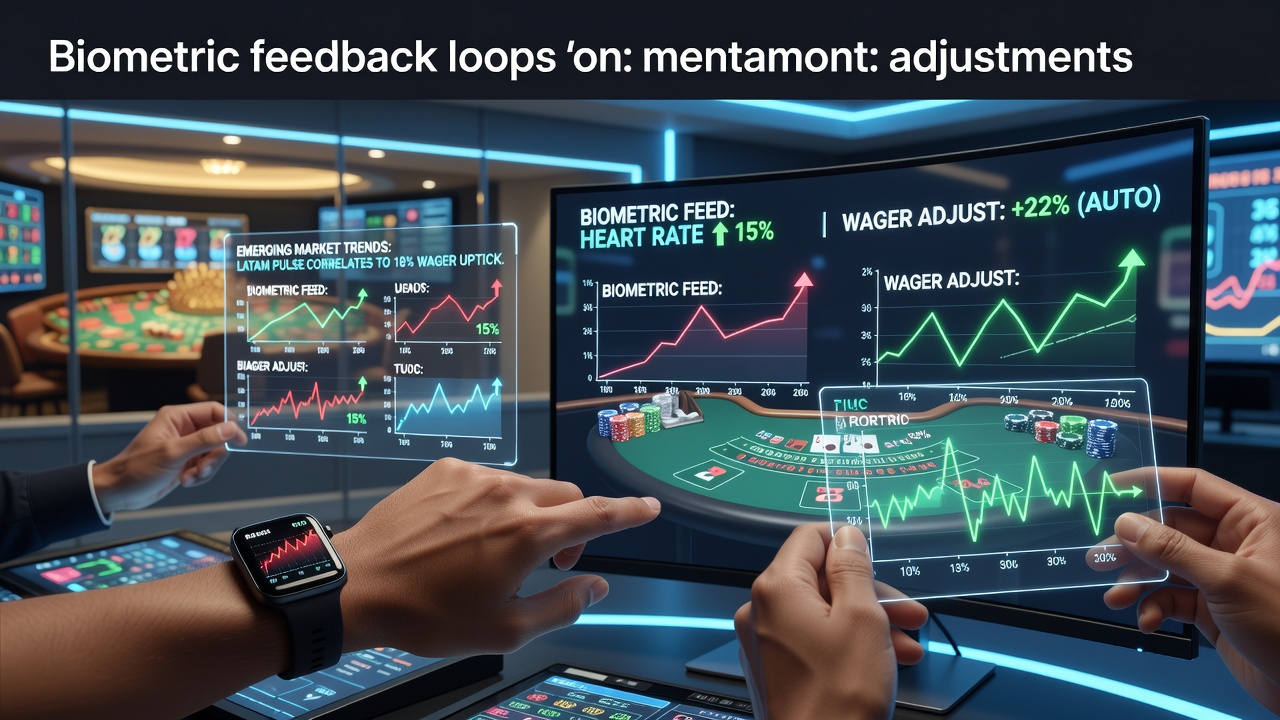
Biometric feedback loops now connect player physiological data directly to wager adjustment systems during live digital table sessions, and this integration has accelerated across emerging markets in Asia, Latin America, and parts of Africa since 2024. Platforms measure heart rate variability, skin conductance, and eye movement patterns through device cameras and wearables, then feed those signals into algorithms that suggest or automate bet size changes in real time. Research from the National University of Singapore indicates these systems process inputs within 800 milliseconds during blackjack and roulette streams, allowing adjustments before the next card or spin resolves.
Operators in Brazil and India report that live dealer platforms using these loops saw average session lengths extend by 18 percent in the first half of 2026, while data from the Brazilian Gaming Association shows wager frequency rising when heart rate spikes trigger lower-stake recommendations. The mechanism works by establishing a baseline for each player at session start, then comparing ongoing readings against that baseline to flag stress or excitement levels, and the system responds with on-screen prompts or automatic stake modifiers when thresholds are crossed.
Technical Implementation Across Platforms
Live table software providers integrate optical sensors already present in most smartphones with optional wristband pairings, and these capture micro-expressions and pulse data without requiring additional hardware purchases. Algorithms trained on anonymized datasets from thousands of sessions identify patterns such as elevated respiration rates correlating with conservative betting, then adjust suggested wagers downward to maintain engagement. In September 2026, several Southeast Asian operators updated their compliance documentation to reflect new data-handling protocols required by local regulators in Singapore and Malaysia.
One platform operating across multiple currencies reported that eye-tracking modules reduced impulsive all-in bets by 27 percent among users in the Philippines, while similar tools in Mexican markets correlated with steadier bankroll management during extended baccarat sessions. The loops operate continuously yet remain transparent, with players able to review aggregated biometric summaries at session end through in-app dashboards.
Regional Adoption Patterns and Data Trends
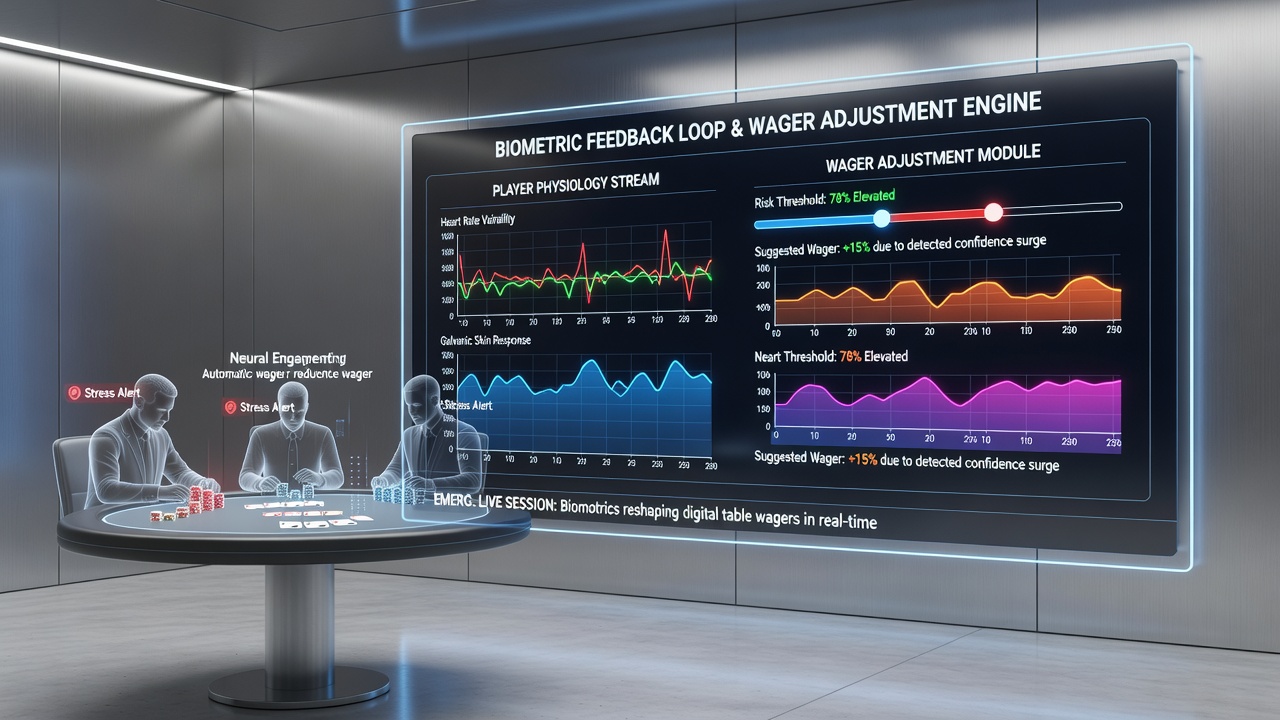
Emerging markets have outpaced mature jurisdictions in deploying these systems because regulatory frameworks there often prioritize technological innovation alongside consumer protection measures. Figures from the South African Responsible Gambling Foundation reveal that platforms incorporating biometric loops recorded a 14 percent drop in self-exclusion requests between January and August 2026 compared with control groups using standard interfaces. Meanwhile, Indian state-level gaming reports note that live table traffic from tier-two cities increased after operators introduced heart-rate-linked stake suggestions during peak evening hours.
These adjustments remain optional in most jurisdictions, yet participation rates exceed 65 percent when platforms present the feature as a voluntary performance aid rather than a monitoring tool. Academic teams at the University of Cape Town have examined session logs and found correlations between detected arousal states and subsequent wager stabilization, with effects most pronounced among players aged 25 to 34.
Regulatory and Security Considerations
Regulators in Colombia and Vietnam have begun requiring third-party audits of biometric data storage practices, and audits completed in mid-2026 confirmed that raw physiological readings are deleted within 24 hours while only derived risk scores persist in player profiles. Encryption standards follow ISO 27001 guidelines, and cross-border data transfers comply with local privacy statutes that treat biometric identifiers as sensitive personal information. Industry observers note that these safeguards have helped maintain user trust even as adoption widens.
Security teams also monitor for potential manipulation attempts, such as players attempting to mask readings through breathing exercises, yet current detection rates for anomalous patterns sit above 92 percent according to internal platform metrics shared at regional gaming conferences.
Conclusion
Biometric feedback loops continue to expand within live digital table environments across emerging markets, driven by measurable shifts in player behavior and supported by evolving compliance frameworks. Data collected through September 2026 demonstrates consistent patterns of extended engagement and adjusted risk exposure when physiological signals guide wager modifications, while regulatory bodies from multiple regions enforce data protection standards that keep implementations accountable. As device capabilities advance and more operators integrate these tools, the systems are expected to refine further without altering core game mechanics.